How Secrets, Indulgence, and Illusion Undermined Absolute Monarchy
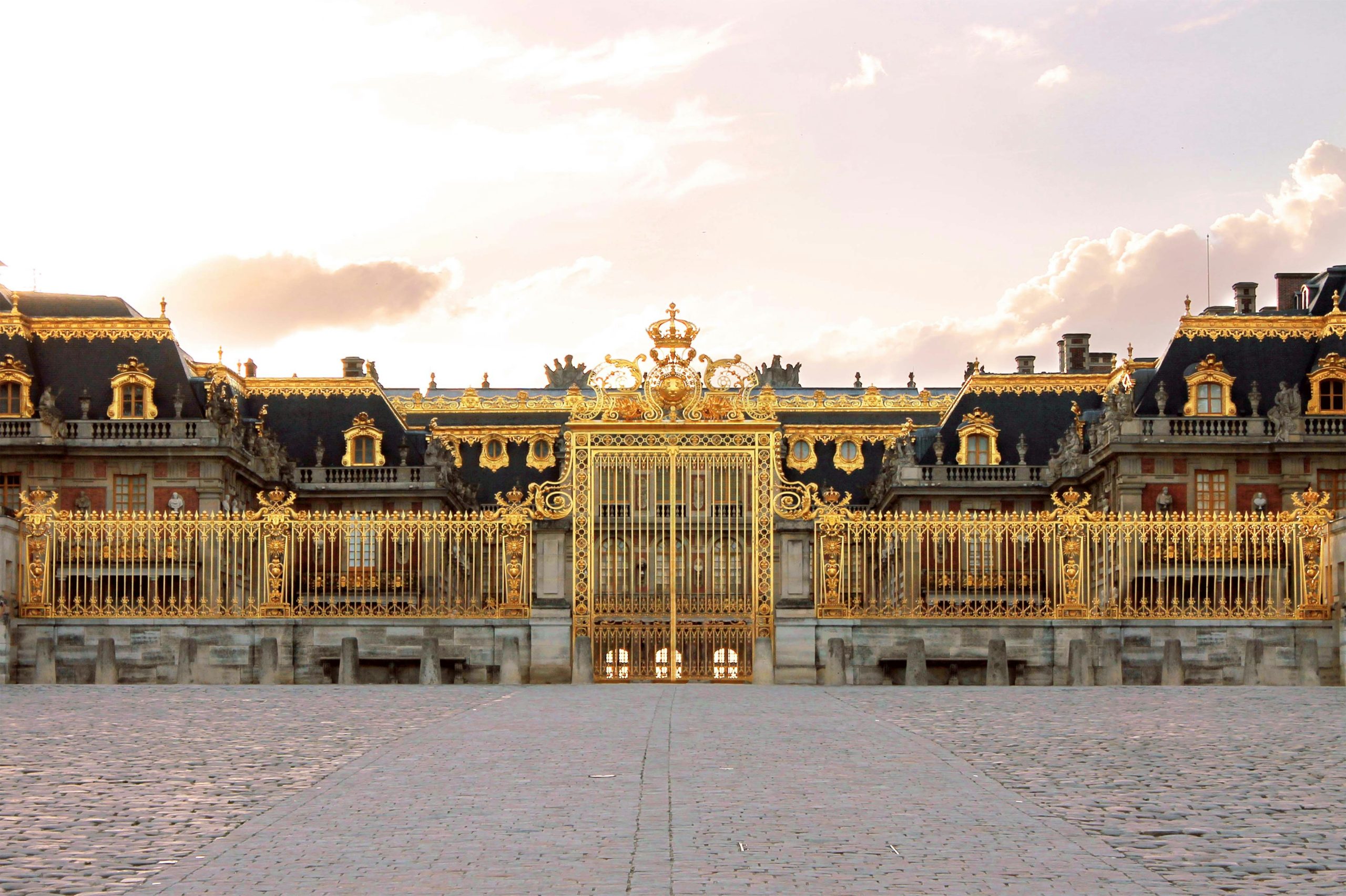
The scandals of Versailles began long before the Revolution. Versailles was created to embody certainty. Certainty of power, Certainty of order. Certainty that the king ruled by divine right.
Yet over the course of a century, that certainty was quietly dismantled not by revolutionaries at first, but by scandal, mishandled perception, and a growing distance between image and reality.
To understand why the French Revolution became inevitable, one must begin here in the whispered corridors of Versailles.
When Fear Reached the King: The Affair of the Poisons
In the late reign of Louis XIV, Paris was seized by panic. People were dying mysteriously. Investigations uncovered a shadowy underworld of poisoners, fortune-tellers, and illegal abortionists serving clients from every social rank.
What made the Affair of the Poisons explosive was not the crimes themselves but who was implicated.
Under torture, names emerged that pointed alarmingly close to the king’s own household.
Among them: Madame de Montespan.
She was more than a lover. She was visible, influential, and emblematic of the court’s excess. If she were tried publicly, the scandal would not stop with her it would implicate the monarchy itself.
Why Banishing Montespan Was Necessary
Louis XIV did not act out of jealousy or anger. He acted as a ruler preserving the myth of absolute authority.
Montespan was removed from court without trial, without public explanation, without defense. At Versailles, this was devastating. Court life was survival; exclusion meant social extinction.
Why was she banished?
Because:
- A trial would admit corruption at the heart of power
- Punishment would confirm the rumors
- Silence preserved the illusion of moral control
Versailles had found its solution to scandal: erase the problem, not the narrative.
It worked but it set a dangerous precedent.
Louis XV: When Scandal Became Familiar
Under Louis XV, Versailles changed temperament.
Where Louis XIV feared scandal, Louis XV retreated from responsibility. The court remained brilliant, but authority felt distant withdrawn into private apartments, secret corridors, and personal pleasures.
Madame de Pompadour and the Changing Image of Power
Madame de Pompadour was cultured, intelligent, and deeply involved in governance. She understood power and helped manage it.
Yet beyond Versailles, perception shifted.
A king guided by a woman was no longer seen as refined but as weak.
Military defeats and financial strain followed. Pamphlets blamed Pompadour. The monarchy’s aura of infallibility continued to fade.
The Parc-aux-Cerfs: From Courtly Romance to Institutional Indulgence
What truly damaged Louis XV’s image was not a mistress but systematic secrecy.
The Parc-aux-Cerfs housed young women selected for the king, installed discreetly, then dismissed and silenced. The court knew. Paris suspected. Writers exaggerated but belief mattered more than accuracy.
For the first time, the monarchy appeared routine in excess.
Versailles no longer symbolized order it symbolized detachment.
Madame du Barry and the Loss of Dignity
With Madame du Barry, restraint vanished entirely. Her background, her visibility, her extravagance confirmed every accusation critics had made.
By the end of Louis XV’s reign, royal intimacy no longer humanized the king.
It discredited him.
Louis XVI: A King Unprepared for a Broken Image
When Louis XVI inherited the throne, he did not inherit absolute authority only its shell.
He was conscientious, moral, and uncomfortable with spectacle. But Versailles demanded performance. Where his grandfather withdrew by choice, Louis XVI withdrew by nature.
He inherited:
- A court distrusted by the public
- A monarchy associated with indulgence
- A narrative already written against him
And beside him stood his young queen.
Marie-Antoinette and the Affair of the Diamond Necklace
Marie-Antoinette never bought the necklace. She rejected it outright.
Yet when a complex fraud involving forged letters and intermediaries surfaced, the public believed she had secretly acquired a jewel worth a fortune at a time of national hardship.
Why?
Versailles had lost control of credibility.
The scandal did not create outrage. It confirmed suspicion.
To the public, the necklace symbolized everything Versailles represented:
- Waste
- Privilege
- Emotional distance from reality
In this moment, monarchy ceased to be trusted as an institution.
How Authority Truly Collapsed at Versailles
The downfall of absolute monarchy was not sudden. It unfolded in stages.
At Versailles: Scandal was first contained to protect authority It was then normalized, as rulers withdrew from public life Eventually, it was believed, regardless of truth
Over time, the monarchy lost its ability to define reality.
When people stop believing in the image of power, power itself becomes fragile.
By 1789, the palace still stood. Royal ceremonies continues, But legitimacy was gone.
Why Visiting Versailles Makes This Clear
Reading history explains events.
Walking through Versailles explains why they happened.
On our private guided tour of Versailles, these stories unfold in place:
- In apartments designed to hide scandal
- In corridors meant for discretion
- In spaces where image mattered more than truth
Understanding Versailles is understanding how absolute monarchy quietly unraveled long before the Revolution began.
Discover the Hidden Versailles
If you want to go beyond the mirrors and gardens
If you want to understand how power really worked
With Astra Via’s Private Versailles tour, discover the stories behind the palace that shaped modern France. For more Paris-based experiences, view our destination tours in Paris.